-
Bus, Airlines
-
3 Stars Hotels
-
5,895 metres
-
Kilimanjaro International Airp
-
Feb, Mar, Apr & May
-
Eco-Tour, Hiking
-
All meals during the trek
-
English, Spanish, French
-
Easy to Moderate
-
2-15
-
12
-
65
Overview
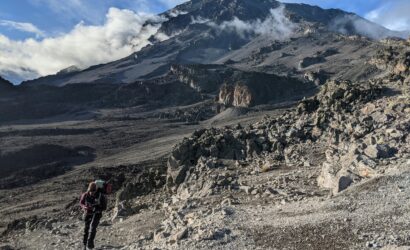
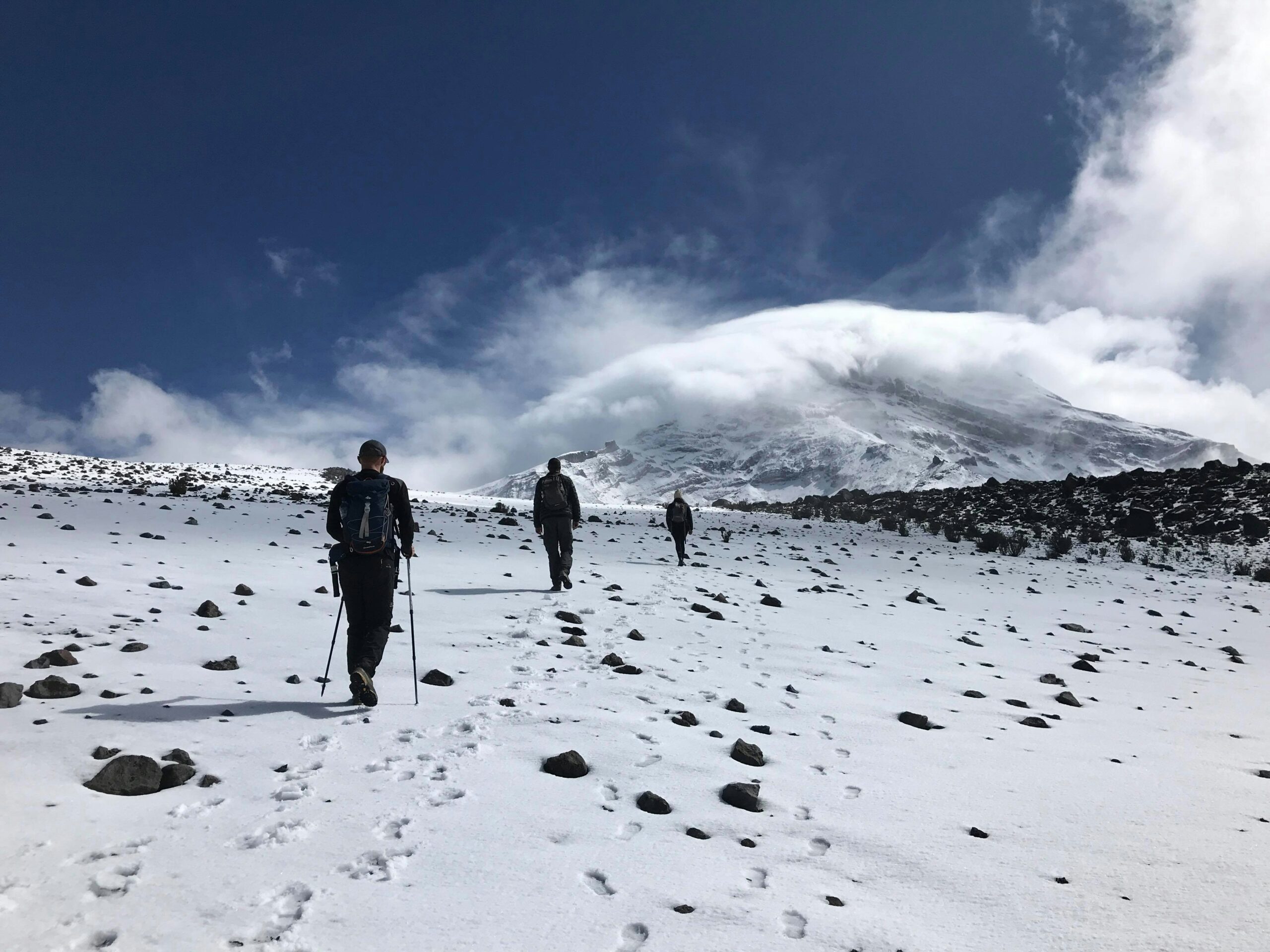
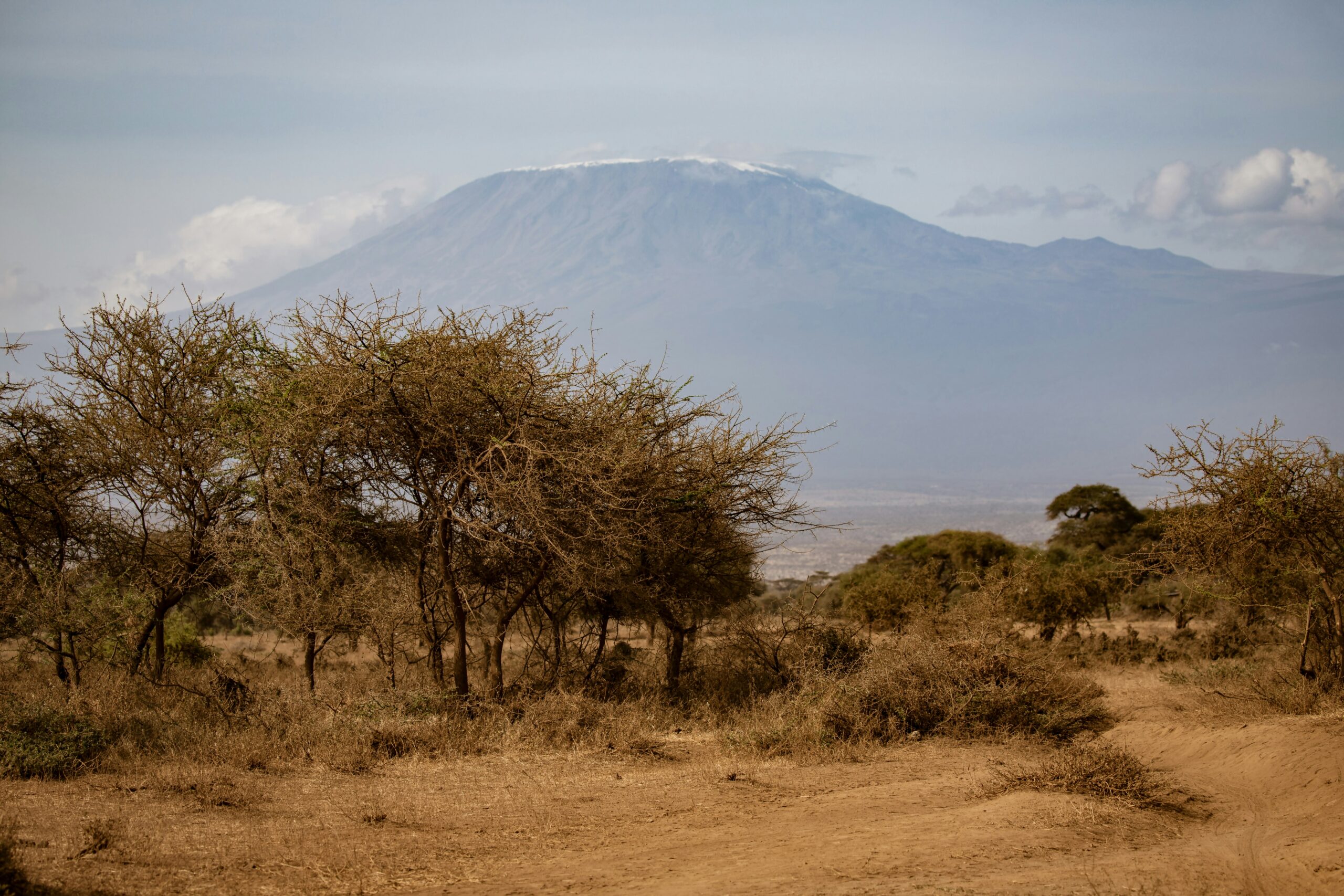
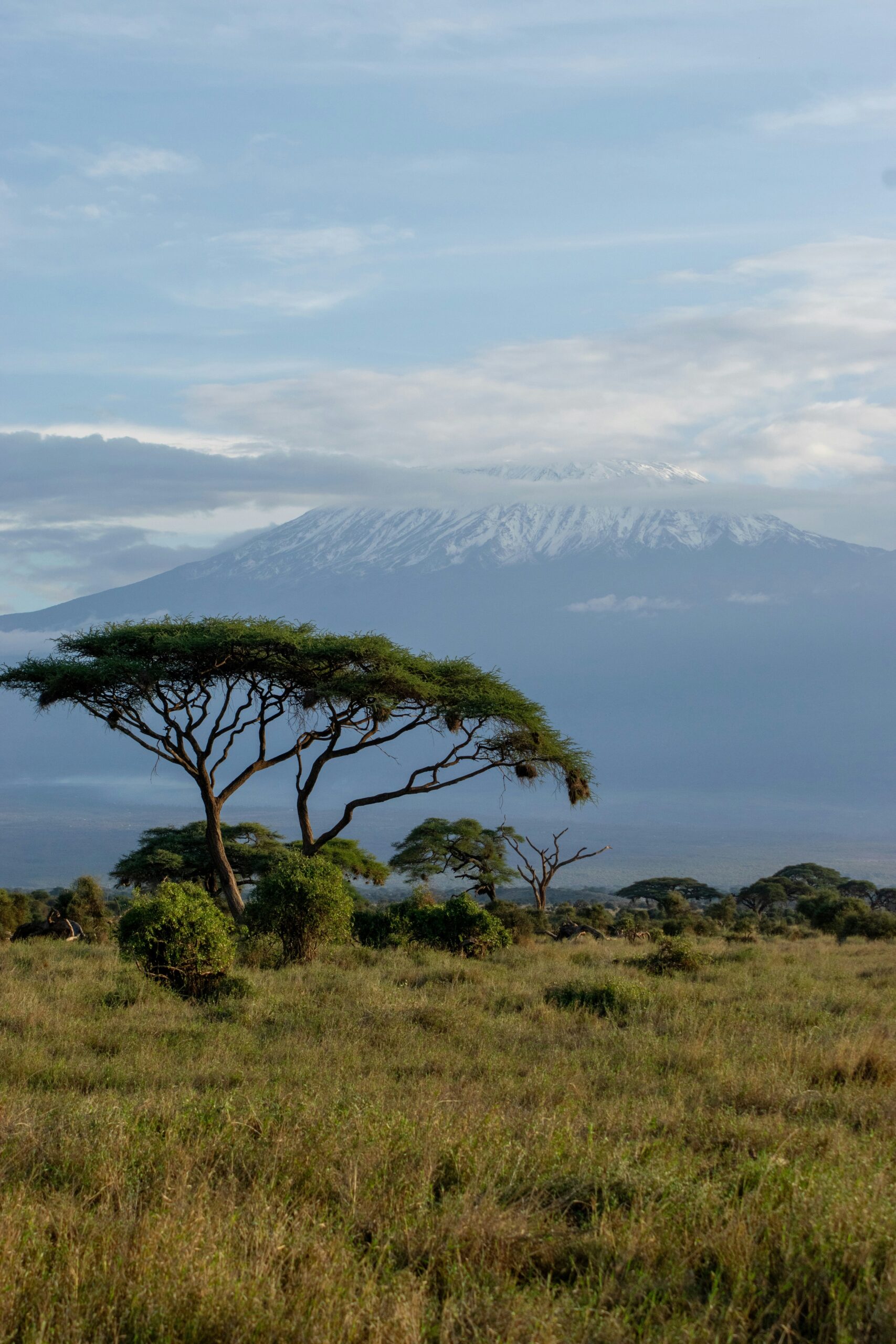
The 7-day Machame Route is one of the most popular ways to climb Mount Kilimanjaro. It’s considered to be one of the best routes due to its scenic beauty, higher success rate for summit attempts, and gradual ascent. The route is known for offering diverse landscapes, from rainforests to alpine deserts, and a stunning view of the summit.
Highlights
- Trek to the world-famous Everest Base Camp
- Enjoy the amazing view of the Himalayas from Kala Patthar
- Travel through the Sherpa villages of Namche, Khumjung, Khunde, and Dingboche
- Visit Tengboche the biggest and oldest monastery n the region.
Itinerary
-
Hiking Time: 5-6 hours
-
Distance: 11 km
-
Elevation Gain: 1,200m
-
Terrain: Rainforest
-
Summary:
-
The trek starts at the Machame Gate, where you'll sign in and receive your permits.
-
The trail takes you through lush rainforest with plenty of opportunities to spot wildlife.
-
You will gradually ascend to Machame Camp, where you’ll camp for the night.
-
-
Hiking Time: 5-6 hours
-
Distance: 5 km
-
Elevation Gain: 840m
-
Terrain: Moorland
-
Summary:
-
The route moves above the rainforest zone and transitions into moorland.
-
You will get your first views of the summit, and the terrain becomes drier with fewer trees.
-
This camp is located on a high plateau, providing spectacular views of the surrounding area.
-
-
Hiking Time: 7-8 hours
-
Distance: 10 km
-
Elevation Gain and Loss: +790m to Lava Tower, then -680m to Barranco Camp
-
Terrain: Moorland, Alpine Desert
-
Summary:
-
This is the day when you’ll do an acclimatization hike to Lava Tower (4,630m), which is a great way to help your body get used to the altitude.
-
After reaching Lava Tower, descend to Barranco Camp, which lies in the Barranco Valley below the Barranco Wall.
-
The descent to Barranco Camp helps with acclimatization, and you’ll have some amazing views of the mountain’s glaciers.
-
-
Hiking Time: 4-5 hours
-
Distance: 5 km
-
Elevation Gain: 85m
-
Terrain: Alpine Desert
-
Summary:
-
Today’s trek involves climbing the Barranco Wall, which is a short but steep climb.
-
After reaching the top of the wall, the trail moves across a series of ridges and valleys, leading you to Karanga Camp.
-
This is a short day to help with acclimatization, allowing your body to adjust before the final push to the summit.
-
-
Hiking Time: 4-5 hours
-
Distance: 4 km
-
Elevation Gain: 638m
-
Terrain: Alpine Desert
-
Summary:
-
The route from Karanga to Barafu is relatively short, but the elevation gain is significant.
-
You’ll hike through alpine desert terrain with fewer plants and more rocky outcrops.
-
Barafu Camp is the base camp for the summit push, and you'll want to rest and eat early, as you'll start your summit attempt at night.
-
-
Hiking Time: 12-14 hours
-
Distance: 7 km up, 23 km down
-
Elevation Gain: 1,222m (Barafu to Summit), then descent
-
Terrain: Arctic Zone
-
Summary:
-
You’ll begin your summit attempt at midnight or 1:00 AM to give yourself enough time to reach the summit before sunrise.
-
The climb to the summit is long and tough, but the views of the glaciers and the sunrise over the summit are unforgettable.
-
After summiting at Uhuru Peak (5,895m), you’ll descend back to Mweka Camp for the night. The descent is long but quicker than the ascent.
-
-
Hiking Time: 3-4 hours
-
Distance: 10 km
-
Elevation Loss: 1,460m
-
Terrain: Rainforest
-
Summary:
-
The final descent takes you through beautiful rainforest, where you can enjoy the lush vegetation and local wildlife.
-
Once you reach Mweka Gate, you’ll sign out, collect your certificates of achievement, and celebrate your successful ascent of Mount Kilimanjaro!
-
Cost
The Cost Includes
- National Park Fees:
- Park entry fees, camping fees, and all other applicable permits for climbing Mount Kilimanjaro.
- Guides & Support Staff:
- Professional Mountain Guides: Experienced and certified guides who know the route and will assist with acclimatization and ensure safety.
- Porters: Porters will carry your gear, camping equipment, food, etc. The number of porters is usually based on group size.
- Cooks: Cooks who prepare meals during the trek, ensuring you get nutritious food to keep your energy up.
- Accommodation:
- Tents and Sleeping Mats: All camping equipment, including tents and sleeping mats. (Some companies offer sleeping bags as well, but it can vary).
- Camping Sites: All camping site fees for each overnight stay on the route.
- Meals:
- Full board (breakfast, lunch, dinner, and snacks) for the entire trek. Meals are usually prepared by the cooks at the campsites.
- Special dietary needs (vegetarian, vegan, gluten-free) are often catered for upon request.
- Transport to and from the Mountain:
- Pick-up and drop-off from Kilimanjaro International Airport (JRO) or Arusha/ Moshi hotels.
- Transport to/from the Machame Gate.
- Emergency Evacuation:
- Emergency evacuation by vehicle or helicopter if necessary (though evacuation costs above a certain point are typically not covered by basic packages and might require extra insurance).
- Summit Certificate:
- You’ll receive a certificate of achievement for reaching the summit (Uhuru Peak) and/or for completing the trek.
- Group Equipment:
- All necessary group gear (such as tents, cooking equipment, and eating utensils).
- Oxygen (if needed):
- Some operators include supplemental oxygen for emergency use if altitude sickness symptoms arise.
The Cost Excludes
- International Flights:
- Flights to and from Kilimanjaro International Airport (JRO) or any local airport are not included.
- Visa Fees:
- Visa fees for entering Tanzania, which vary by nationality. Ensure to check your country’s specific visa requirements.
- Travel Insurance:
- Travel insurance (including coverage for altitude sickness, trip cancellation, medical emergencies, evacuation, and lost luggage) is not typically included. You must arrange this yourself prior to departure.
- Tips for Staff:
- Tipping for your guides, porters, and cooks is not included. The amount varies depending on the size of your group, but generally, you should budget around $200–$300 per climber for tips.
- Personal Equipment:
- Personal gear (such as a sleeping bag, hiking boots, clothing, and personal items) is not included.
- You may need to rent or purchase items like trekking poles, sleeping bags, and thermal clothing.
- Drinks:
- While meals are included, alcoholic drinks, sodas, and any special beverages are generally not included.
- Bottled water is usually available for purchase, and you'll need to ensure you have access to enough water for hydration.
- Extra Activities:
- Optional activities (e.g., a safari after your climb, cultural tours, etc.) are typically not part of the climbing package.
- Extra Days on the Mountain:
- If you decide to take an extra day for acclimatization or if there’s an extended delay, it may incur extra costs.
- Personal Expenses:
- Any personal purchases such as souvenirs, snacks, extra clothing, or services that aren't part of the climbing experience are your responsibility.
- Medical Evacuation Beyond the Basic Coverage:
- While emergency evacuation is included, costs for specialized medical treatment or evacuation beyond basic coverage may need to be covered by your insurance or personal funds.
Frequently Asked Questions (FAQs)
The Machame Route is one of the most popular and scenic routes to climb Mount Kilimanjaro. It takes climbers through diverse landscapes, including rainforest, moorland, and alpine desert, before reaching the summit at Uhuru Peak (5,895m). This route is often called the “Whiskey Route” due to its challenging nature.
The Machame Route is considered moderately difficult, especially for those who are not accustomed to high-altitude trekking. It has a gradual ascent, but summit day can be very challenging due to the long hours and extreme altitude. A good level of fitness and mental preparation is important for success.
-
The 7-day Machame Route is typically designed to allow enough time for acclimatization. This helps reduce the risk of altitude sickness. It’s a balanced itinerary compared to shorter 5-6 day routes, which may increase the likelihood of altitude-related issues due to the quicker ascent.
-
The best months to climb are during the dry seasons, which are:
-
January to March
-
June to October
-
-
These months generally offer the most stable weather conditions, with clear skies and less rainfall.
-
Yes, all climbers need to have permits for entry to Kilimanjaro National Park. These are typically arranged by your tour operator.
-
You will also need a passport and possibly a visa to enter Tanzania, depending on your nationality.
No, it is mandatory to climb with a licensed guide on Kilimanjaro. The mountain is located within a national park, and all trekkers must have a guide, porters, and cooks. This ensures your safety and helps with the preservation of the environment.
The route reaches a maximum altitude of 5,895 meters at Uhuru Peak. However, during the trek, you will pass through several camp locations with progressively higher altitudes:
-
Machame Camp (3,000m)
-
Shira Camp (3,840m)
-
Lava Tower (4,630m)
-
Barafu Camp (4,673m)
-
Summit (Uhuru Peak) at 5,895m
Altitude sickness is common for those trekking above 3,000 meters. It happens because the body has to adjust to the lower oxygen levels at higher altitudes. Symptoms can include headaches, nausea, dizziness, and fatigue.
-
The 7-day Machame Route is designed to help with acclimatization, which reduces the risk.
-